
Monday, May 7, 2012
Dred Scott Decision 1856

Charles Sumner Beaten By Preston Brooks- 1856

The Depression of 1857
 The Depression of 1857 started
when Europe refused to buy American agricultural products and quickly spread
around the nation. With Europe declining purchases, many businesses and
corporations in Ohio started to fail leading them to shut down. The Ohio Trust
Company (bank) failed due to Europe declining purchases and corruption. This
caused worry and panic, which rapidly spread across the country especially in
the North. Many businesses began to shut down or reduce their production which
caused the unemployment rate to rise. While corporations continued to shut
down, many men were left unemployed causing the US to go into a depression. This depression affected many citizens in the north and south. Though, it had a much greater affect on the North which caused a continuation of uprising conflict.
The Depression of 1857 started
when Europe refused to buy American agricultural products and quickly spread
around the nation. With Europe declining purchases, many businesses and
corporations in Ohio started to fail leading them to shut down. The Ohio Trust
Company (bank) failed due to Europe declining purchases and corruption. This
caused worry and panic, which rapidly spread across the country especially in
the North. Many businesses began to shut down or reduce their production which
caused the unemployment rate to rise. While corporations continued to shut
down, many men were left unemployed causing the US to go into a depression. This depression affected many citizens in the north and south. Though, it had a much greater affect on the North which caused a continuation of uprising conflict.
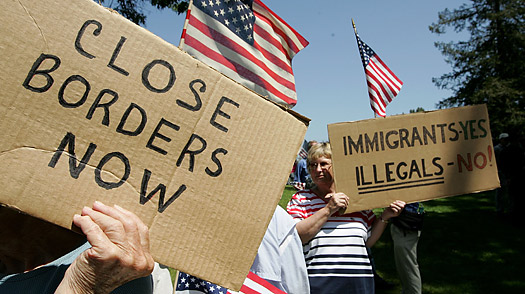
Nativism and the know nothing party 1854
Sunday, May 6, 2012
Lincoln-Douglas Debate 1858
The
Lincoln-Douglas Debate was a political debate between Abraham Lincoln and Stephen Douglas . Lincoln was a Republican and a firm opponent to slavery while Douglas was for slavery. The debate was held during the 1858 campaign for a US Senate seat from Illinois . The debate was about slavery,
popular sovereignty , and the legal and political status of black Americas.
Lincoln believed that the government could not endure a society that was half free and
half slave. This debate between them wen
ton whether to make Slavery lawful in all states or not for four months Lincoln
and Douglass crisscrossed Illinois , traveling nearly 10,00 miles and
participating in seven face to face debates. Douglass had a strategy to picture
Lincoln as a fanatical black republican whose goal was to incite the civil war,
emancipate the slaves , and make blacks the social and political equals of
whites. But Lincoln and Douglass had contrasting views on the problem of
slavery Lincoln argued that slavery was a dying institution that had reached
its natural limits and could not thrive where climate and soil were
inhospitable. Douglass regarded slavery as a dynamic , expansionist
institution , hungry for new territory. These debates catapulted Lincoln into the national spotlight and made him a
serious presidential possibility in 1860 . The conflict between north and south was heating up.

Saturday, May 5, 2012
Harpers Ferry Incident- October 16th, 1859

Friday, May 4, 2012
Lincoln becomes President 1861
Lincoln was the 16th president of the United
States of America . By the time Lincoln was inaugurated on march 14th
1861 , seven states had already seceded and the Confegerate States of America had been formally established with
Jefferson Davis as its elected president . One month after being elected
president the U.S Civil War started The North and south were in an all out fight over slavery. the south had felt stripped of its power, and felt they had no more say. So he war was started and the south was winning. But by the time it was it became 1863 the tide had turned against the Confederacy , Lincoln emancipated the slaves.

Subscribe to:
Posts (Atom)